




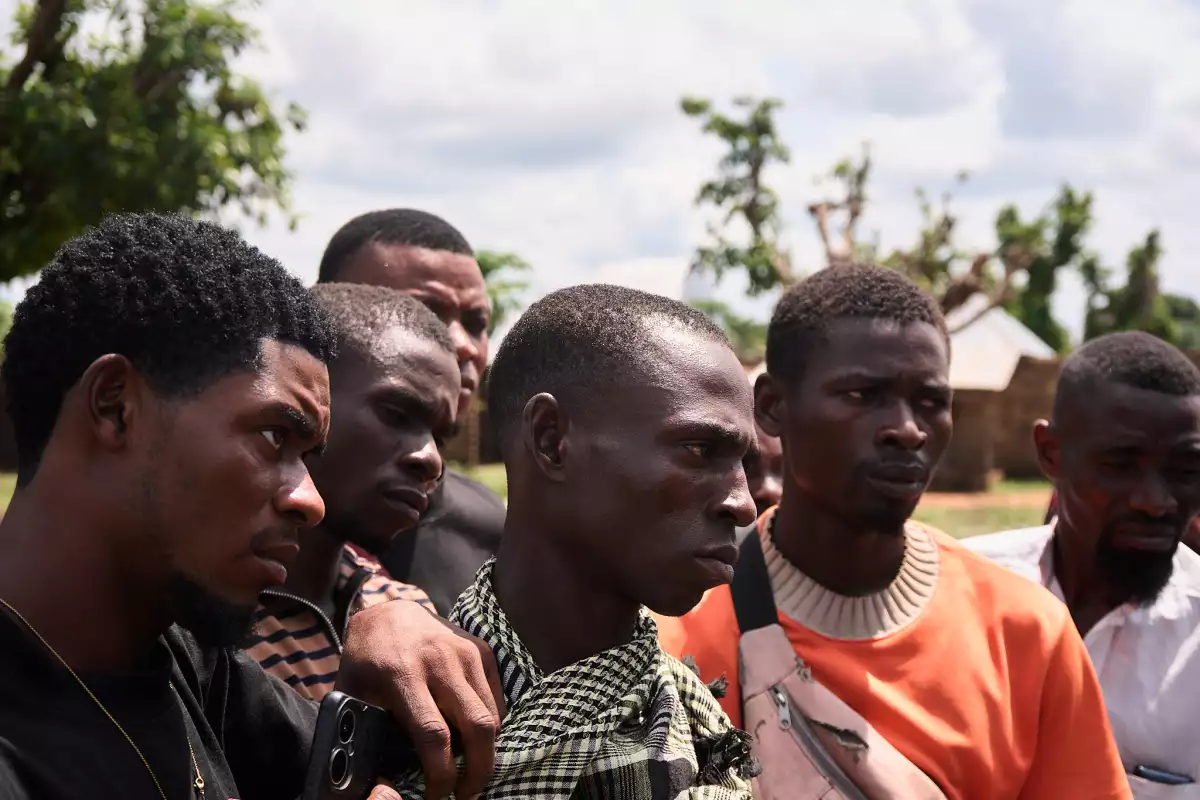
Nigeria has one of the world’s youngest population demographics. With an estimated national population of about 233 million people in 2026, more than 70 percent are below the age of 35. This places the country’s youth population at roughly 160–170 million people, making it one of the largest youth demographics anywhere in the world. That immense human capital should be one of Nigeria’s greatest competitive advantages. Instead, for millions of young Nigerians, it has become a daily struggle against unemployment, insecurity, economic uncertainty and psychological trauma
Years of intentional misgovernance, institutional weakness, chronic levels of corruption, disregard for quality education, and limited industrial development have steadily reduced opportunities for successive generations. While many Western countries have expanded access to social welfare, mental healthcare, innovation funding and youth employment programmes, Nigerian youths are forced to navigate adulthood with near non-existent institutional safeguards.
Beyond economic deprivation lies a quieter crisis: psychological trauma. Since 1999 after the Obasanjo administration officially allowed the Arab religious sharia ideology into Nigeria, many young Nigerians have grown up amid recurring reports of foreign religion induced brainwashing that leads to terrorism, bandit attacks, kidnappings, suspicious ethnic cleansing of indigenous Nigerian tribes, communal violence and mass displacement. Through television broadcasts, newspapers and social media, countless youths have repeatedly been exposed to horrifying images of bombings, burned communities, grieving families and victims of violent attacks. Such repeated exposure to graphic violence contributes to anxiety, depression, chronic stress and emotional numbness, particularly where mental health services remain scarce. Recent humanitarian assessments continue to document how insecurity disrupts education, healthcare and community life, while mental health experts increasingly warn about the long-term emotional consequences of persistent crises.
Yet Nigeria’s young people continue to demonstrate remarkable resilience. Across technology hubs, farms, creative industries, markets and community organisations, millions are building businesses, creating jobs and preserving cultural heritage despite difficult circumstances. The challenge is therefore not a lack of talent but mass acculturation caused by foreign religious doctrines leading to shortage of principled Nigerian men with loyalty to their native African land which naturally should enable a functional Nigerian federal government that jealously protects, prioritizes and guides it’s precious youths
Far-reaching economic support should build on Nigeria’s own cultural strengths rather than relying solely on imported development models. Ten practical approaches could include:
- Expand community-owned agricultural cooperatives rooted in traditional communal farming practices.
- Invest in indigenous crafts, textiles, leatherwork, bronze casting and wood carving for export markets.
- Develop cultural tourism around traditional festivals, heritage sites and local cuisine south to north of Nigeria
- Provide microfinance tailored to youth-led family businesses and local artisans.
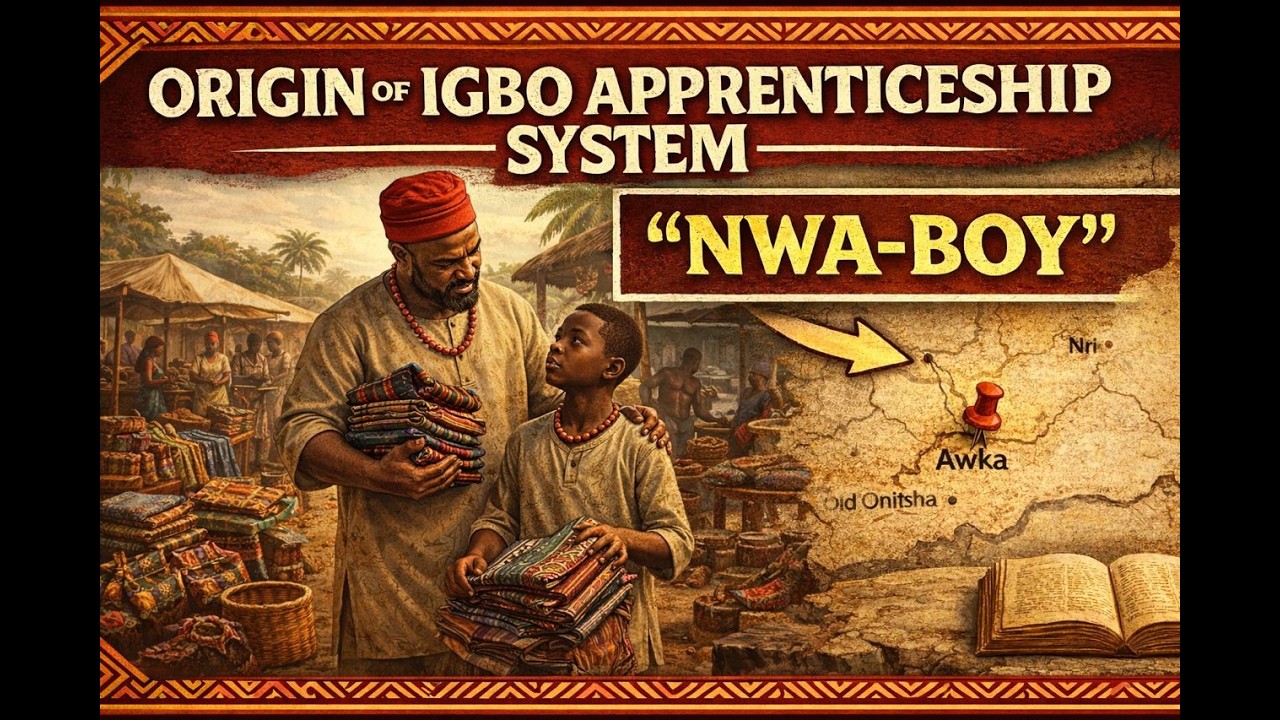
- Strengthen apprenticeship systems modelled on longstanding indigenous trade mentorship traditions, e.g the “nwaboi” ancient Igbo sacred apprenticeship system
- Support film, music, storytelling and digital media that preserve Nigerian languages and cultural identity.
- Create regional food-processing hubs that add value to traditional crops before export.
- Empower traditional rulers and community institutions to partner in entrepreneurship and conflict prevention initiatives for inter-tribal harmony
- Expand vocational education centred on locally relevant industries, renewable energy, construction and manufacturing.
- Increase access to affordable mental health services delivered through schools and culturally informed community networks.
Nigeria’s future will be shaped less by the size of its youth population than by the quality of opportunities available to it. A nation that equips its young with education, security, dignified work and psychological support stands to benefit from an extraordinary demographic dividend. Failure to do so risks deepening cycles of poverty, mass migration of youths, instability, lost potential and the frightening certainty of foreign domination
The story of Nigeria’s youth is therefore neither one of inevitable decline nor effortless resilience. It is the sad story of a victimised generation forced to inherit immense challenges while continuing to demonstrate extraordinary capacity for innovation and endurance. Aside from efforts made by private enterprises, civil societies and communities alike, if the potential of Nigerian youths is to be fully realised, that reality will be totally dependent on the quality of leadership 230 million Nigerians allow into Asorok, the highest office in the land
References
- United Nations Department of Economic and Social Affairs. World Population Highlights 2026: Youth.
- UNICEF Nigeria. At the Crossroads: Horizon Scanning Report 2026.
- United Nations Population Fund (UNFPA). Nigeria Situation Report – April 2026.
- The Guardian. “Every time the rain falls, the fear comes back”: Life in Lagos under the constant threat of floods. July 2026.
- Scientific Reports (Nature). “Prevalence of suicidal behaviour in Nigeria: A systematic review.” 2026.
- Nigeria’s Youth Mental Health Crisis in Numbers. 2025
AUTHOR: ioiNews Editor
IMAGES: NPR/ Foregcast
